


There’s a particular kind of joy that happens around a table covered in tiny dishes. Someone reaches across for the last bite of something. A plate gets passed without anyone asking. Conversation flows easier when your hands are busy and your fork keeps wandering. This is the quiet magic of small plate dining, and Budapest has fully embraced it.
If you’ve noticed more menus inviting you to share, you’re not imagining things. The small plate restaurant Budapest scene has grown into one of the city’s most exciting ways to eat. Let’s explore why we love sharing food, what makes the concept so appealing, and where to experience it at its best.
Why We Love Sharing Plates
Sharing food is one of the oldest human rituals. Long before fancy menus and tasting flights, people gathered around a single pot and divided what they had. Something about that act still feels deeply right.
When you share, you give a little and you receive a little. You taste things you’d never order alone. You negotiate, you recommend, you steal the occasional bite with a grin. The table stops being a row of separate meals and becomes a shared experience. That sense of togetherness is exactly why a good share food restaurant Budapest spot can turn an ordinary evening into something memorable.
There’s also pure curiosity at play. Sharing satisfies that little voice that wants to try everything on the menu. You don’t have to commit to one choice. You get the thrill of variety without the regret of picking wrong.
What Is the Small Plate Dining Concept?
Small plate dining is exactly what it sounds like: instead of one large main course per person, the kitchen sends out smaller portions designed to be shared across the table. Think generous tastes rather than full plates.
The idea draws from cultures that have always eaten this way. Spanish tapas, Middle Eastern mezze, and countless family-style traditions all celebrate the same principle. Many small dishes, lots of flavors, everyone digging in together. Dishes usually arrive when they’re ready, not in rigid courses, so the meal unfolds at its own relaxed pace.
It’s less about formality and more about flow. You order a handful of things, they land in waves, and you build your own rhythm. Hungry for more? Order another round. The meal bends to your mood.
Why Small Plates Are Booming in Budapest
Budapest has always been a food city, but the way people eat here is shifting. Diners want flexibility, atmosphere, and a sense of connection. Small plates deliver all three.
Part of it is generational. Younger Budapesters value experiences over formality. They’d rather linger over many shared bites than sit through a stiff three-course dinner. Part of it is the city’s growing appetite for global flavors woven together with local roots. And part of it is simply that sharing fits modern life: casual, social, easy to extend or cut short.
A great Hungarian restaurant Budapest today often blends tradition with something more playful. Small plates make that fusion natural. You can taste a paprika-rich classic, then follow it with a vibrant Middle Eastern dip, all in one sitting.
June: A Sharing Spirit, All Day Long
The clearest example of this movement is June in Buda. Built around Hungarian–Middle Eastern sharing culture, it lives by a simple idea: summer isn’t a season, it’s a state of mind.
June is a gastro-living space made for everyday life, not just special occasions. You might stop in for a morning coffee, return for lunch, and end the day passing dishes around with friends. The kitchen leans into Middle Eastern flavors—bright, playful, and bold—alongside the kind of comforting classics you’ll keep coming back for.
Sharing sits at the heart of everything here. It’s in the food, yes, but also in the time spent together and the easy moments around the table. As a restaurant Budapest option that flows effortlessly from coffee to lunch to evening, June captures exactly why small plates feel so right for the city: it’s familiar, exciting, and built for connection.
How Many Dishes Should You Order?
This is the question every first-timer asks. The good news? There’s no wrong answer, but there is a handy rule of thumb.
A solid starting point is three to four dishes per person. For a table of two, that means six to eight plates—plenty of variety without overdoing it. Larger groups can spread the order wider and taste even more.
A few tips to order well:
- Start with a few, then add more. You can always send for another round once you see the portion sizes.
- Mix textures and flavors. Pair something crunchy with something creamy, something rich with something fresh.
- Cover the bases. Grab a couple of dips or lighter bites, a few heartier plates, and don’t forget something sweet.
The beauty is that you adjust as you go. The meal grows with your appetite.
How Sharing Makes Dining More Fun
A shared meal is rarely a quiet one. When food sits in the middle of the table, everyone leans in. Conversation naturally picks up because you’re constantly comparing, reacting, and recommending.
Variety is the other gift. Instead of envying your friend’s order, you simply try it. One evening can take you from a smoky grilled vegetable to a zesty citrus salad to a slow-cooked something that everyone fights over. You taste more, you talk more, and the whole night feels richer for it.
There’s also a lovely lack of pressure. No one’s locked into a single decision. The table becomes a shared adventure where every dish is a small surprise.
What First-Timers Can Expect
Walking into your first small plate spot, leave your assumptions about courses at the door. Here’s what tends to happen.
Dishes arrive as they’re ready, not all at once and not in strict order. Don’t panic if your salad lands before your friend’s flatbread—that’s the point. The meal is meant to feel organic.
Portions are smaller, so pace yourself. It’s easy to over-order in the first five minutes, so start modestly. And lean into the social side: pass things around, offer tastes, and let the table function as one shared plate. That openness is where the joy lives.
Perfect Occasions for Small Plates
The flexibility of small plates makes them ideal for nearly any moment.
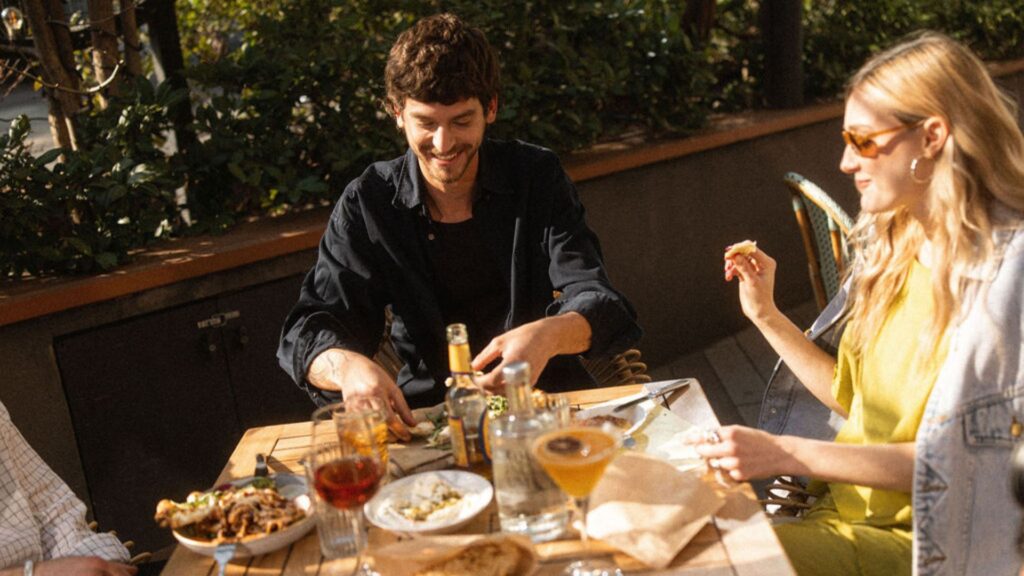
- Catching up with friends: the relaxed flow keeps conversation going for hours.
- A casual date: sharing breaks the ice and gives you something to talk about.
- Group celebrations: everyone tastes everything, and no one feels left out.
- Solo exploring: even alone, a few small plates let you sample widely.
- A laid-back work lunch: easy to keep light or stretch into something longer.
Because spots like June work from morning coffee through evening sharing, the occasion is really up to you. Early or late, big group or quiet pair, the table adapts.
A City Made for Sharing
Budapest has a knack for blending the historic with the fresh, and small plate dining fits that spirit perfectly. It honors old traditions of gathering around food while feeling completely modern. It’s social, flexible, and endlessly curious—much like the city itself.
So next time you’re planning a night out, skip the rigid menu and find a table built for sharing. Order a few dishes, reach across for a bite, and raise a glass to the simple pleasure of eating together. In Budapest, that might just be the best meal you have all week.