


If you’ve ever dined at an Italian restaurant and heard the term “al dente,” you may have wondered what exactly it means—or why chefs and food lovers are so passionate about it. In this article, we’ll explore the meaning, science, and cultural significance of al dente pasta, plus where you can enjoy perfectly prepared dishes in Budapest.
What Does Al Dente Actually Mean?
Literal Translation & Culinary Context
The term al dente comes from Italian, meaning “to the tooth”. It describes the ideal texture of cooked pasta—firm when bitten, but not hard or crunchy. Unlike soft or overcooked pasta, al dente retains a slight bite at its core, offering a satisfying chew that complements both the sauce and the dish’s overall structure.
Why Italians Prefer It This Way
In Italian culinary tradition, texture is just as important as flavor. Al dente pasta holds its shape better, integrates well with sauces, and delivers a fuller eating experience. It also reflects proper technique—overcooking pasta is often seen as a culinary misstep.
Al Dente vs Overcooked Pasta
While overcooked pasta becomes mushy, bland, and heavy, al dente pasta keeps a pleasant firmness. It doesn’t collapse under sauce or lose its identity on the plate. This bite-resistance is especially important in dishes where the pasta plays the lead role, such as carbonara, arrabbiata, or bolognese.
Al dente isn’t just a preference—it’s a standard. And once you’ve tasted pasta the way Italians intended, you’ll understand why.
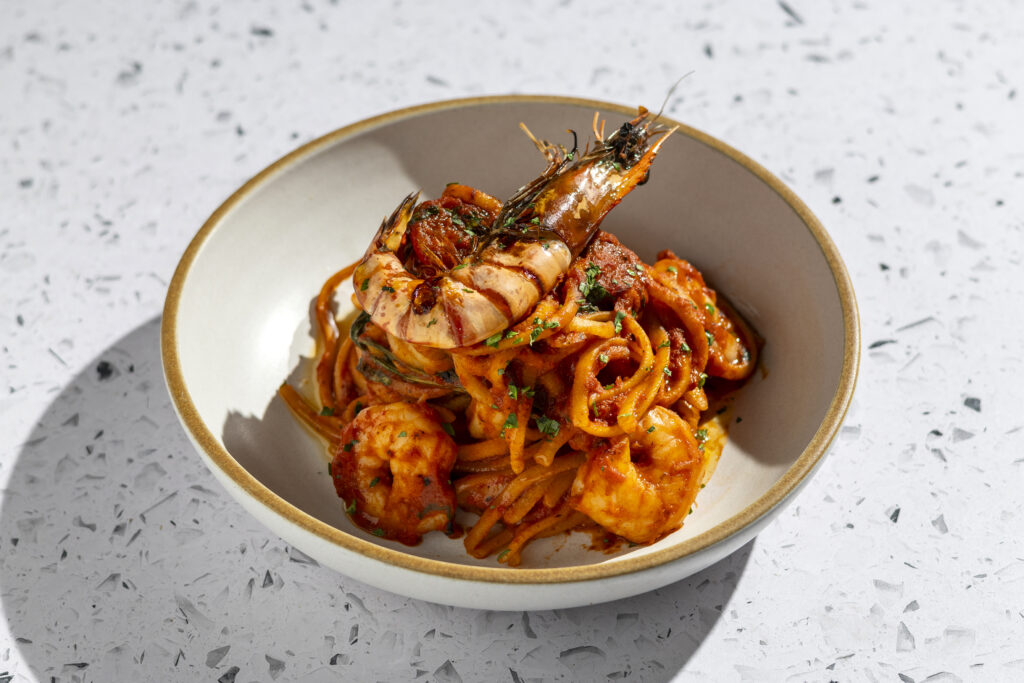
Why Al Dente Pasta Is Healthier and Tastier
- Better for Digestion
Al dente pasta is digested more slowly than overcooked pasta. Its firmer structure means your body breaks it down at a steadier pace, which helps avoid sudden spikes in blood sugar. This makes it a better option for people watching their glycemic index or managing energy levels.
- Preserves Nutrients and Texture
When pasta is overcooked, not only does the texture suffer, but it also loses more nutrients—especially if boiled for too long. Al dente pasta retains more of its original nutritional value, including complex carbohydrates and small amounts of protein and fiber.
- Enhances the Sauce Experience
Pasta cooked al dente has a slightly porous surface and firm bite, allowing it to “grip” sauces more effectively. Whether it’s a velvety tomato sauce, rich cream, or a light garlic-and-olive-oil blend, al dente pasta lets each bite carry the full flavor profile of the dish.
Which Pasta Types Are Best Served Al Dente?
While most pasta should be cooked al dente, certain types especially benefit from this method:
- Spaghetti – Classic for carbonara or pomodoro.
- Penne – Perfect for arrabbiata or baked pasta dishes.
- Fusilli – Holds creamy or pesto sauces beautifully.
- Tagliatelle – Essential for rich meat sauces like ragù bolognese.
- Rigatoni – With their large hollow center, they maintain structure best when firm.
- Linguine – Ideal for lighter seafood-based sauces.
Even filled pasta like ravioli or tortellini should have a gentle bite, not a mushy texture.
Cooking Al Dente at Home – Step by Step
How to Get It Right Every Time
- Use plenty of water – Around 1 liter per 100g of pasta.
- Add salt generously – 1 tablespoon per 3-4 liters.
- Boil at a rolling boil – No simmering.
- Stir occasionally – Especially early on.
- Taste-test 1–2 minutes before the package says – Pasta should resist slightly when bitten.
- Strain immediately – No lingering in hot water.
- Don’t rinse (unless using for salad) – You’ll wash off the starch needed for sauce adhesion.
Avoid These Mistakes:
- Leaving pasta unattended.
- Letting it sit in the pot post-boil.
- Using oil in the water (prevents sauce adhesion).
Where to Eat Perfect Al Dente Pasta in Budapest?
If you’re in Budapest and craving authentic al dente pasta, skip the guesswork and head to one of the city’s standout Italian dining destinations — Jamie Oliver’s Italian, brought to life by the Zsidai Group.
Jamie Oliver’s Italian (Gozsdu Courtyard, Downtown Budapest)
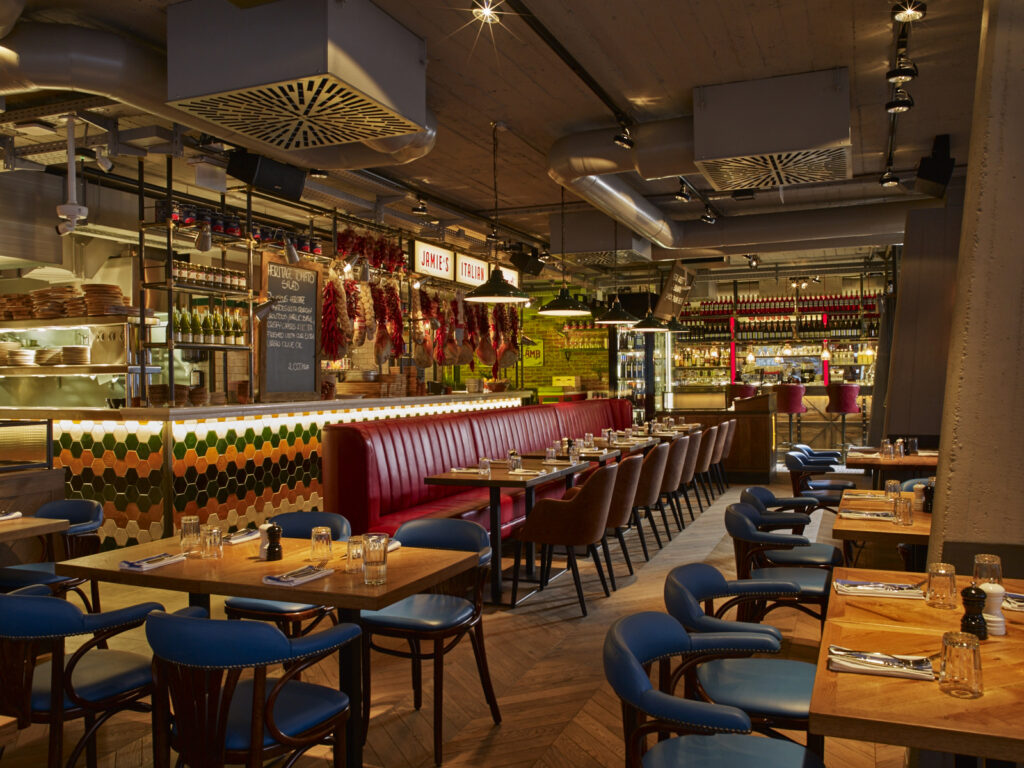
This modern Italian restaurant in Budapest is known for its relaxed atmosphere, quality ingredients, and uncompromising pasta standards. Whether you’re ordering the Tagliatelle Bolognese, Prawn Linguine, or the classic Truffle Pasta, expect your dish to be served perfectly al dente — with bold flavours and rich textures.
Why Jamie’s Italian Stands Out:
- Pasta is made fresh daily, in-house.
- Al dente cooking is a non-negotiable standard.
- Staff are trained to guide guests through Italian dining customs — even if you’re unfamiliar with the meaning of al dente.
- Family-friendly and ideal for casual dining, yet still refined.
Looking for a top-tier restaurant in Budapest to experience real Italian dining? Choose one where al dente isn’t just an option — it’s the house rule.
FAQ: All You Need to Know About Al Dente Pasta
What does “al dente” mean?
Al dente is an Italian term meaning “to the tooth.” It refers to pasta that is cooked until it’s firm to the bite — not mushy or overdone.
What is the ideal cooking time for al dente pasta?
Cooking time depends on the pasta type, but it’s usually 1–2 minutes less than the package suggests. Always taste-test before draining.
Is al dente pasta healthier?
Yes. It has a lower glycemic index than overcooked pasta, digests more slowly, and often retains more nutrients — especially in whole-grain varieties.
Can all pasta be cooked al dente?
Most dried wheat pasta (penne, spaghetti, fusilli) is perfect al dente. Fresh pasta like tagliatelle or ravioli is usually softer and not traditionally cooked al dente.
Where can I eat real al dente pasta in Budapest?
For guaranteed al dente pasta, visit Jamie Oliver’s Italian — a top-rated Italian restaurant Budapest locals and tourists love.
Taste, Texture, and Tradition in Every Bite
Al dente pasta is more than just a cooking method — it’s a philosophy rooted in precision, flavor, and tradition. Whether you’re twirling spaghetti, biting into penne, or savoring a creamy risotto-style orzo, achieving that perfect “to the tooth” texture is what separates a forgettable meal from an unforgettable one.
For food lovers visiting Budapest, experiencing authentic al dente pasta is just a reservation away. From high-quality ingredients to passionate chefs, restaurants like Jamie Oliver’s Italian serve up pasta dishes that respect Italian culinary heritage while blending seamlessly with Budapest’s vibrant dining scene.
Looking for a restaurant Budapest offers that truly understands pasta? Whether it’s a casual lunch or an evening celebration, treat yourself to the perfect plate — and don’t forget: al dente is always in style.