


When people hear the name Bavarian cuisine, many immediately think of juicy pork knuckle, roasted meats with crispy skin, and beer served in foaming steins. Not without reason: Bavarian dishes represent one of the most well-known and distinctive branches of German gastronomy, where generous portions, simple yet rich ingredients, and the experience of communal dining take center stage.
But Bavarian cuisine is much more than that. It is history, culture, and a way of life — closely connected to one of Southern Germany’s most unique regions.
What shaped Bavarian cuisine?
Bavaria (Bayern) is located in southeastern Germany, with Munich as its capital. The region’s rich history, proximity to the Alps, and agricultural traditions have all contributed to the development of its gastronomy.
Bavarian cuisine is fundamentally defined by three things:
- agricultural foundations – meat, potatoes, cabbage
- monastic and court traditions – brewing beer, festive dishes
- alpine influences – hearty, energy-rich meals
This combination created a cuisine that is both rustic and iconic.
What can Bavarian cuisine be compared to?
Bavarian dishes show similarities to several European cuisines:
- Austrian cuisine – similar ingredients and techniques
- Czech cuisine – dominance of beer and meat
- Hungarian cuisine – stews and hearty dishes
Still, Bavarian cuisine has its own identity, made unique by its beer culture and communal dining traditions.
What characterizes Bavarian dining culture?
At the heart of Bavarian dining culture are abundance and togetherness. The dishes are not delicate — they are filling, comforting, and made to bring people together.
Generous portions and simple ingredients
Bavarian dishes are not complicated, but they are exceptionally well prepared. The focus is on the quality of the ingredients and the method of preparation.
Meat-centered dishes
Pork, beef, and poultry play a major role. Meat dishes are often cooked slowly to achieve a tender texture.
Side dishes and accompaniments
- potatoes (boiled, roasted, or served as dumplings)
- sauerkraut
- pretzels (Brezn)
These do not simply accompany the dishes, but are an essential part of the flavor experience.
The most famous Bavarian dishes
Bavarian cuisine is proud of many iconic dishes. Some of them are known all over the world.
Soups: simple but hearty beginnings
- Leberknödelsuppe – liver dumpling soup with a rich beef broth base
- Gulaschsuppe – the Bavarian version of Hungarian goulash soup
These soups are not light starters, but dishes substantial enough to stand on their own.
Schweinshaxe (roasted pork knuckle)
One of the most famous dishes of Bavarian cuisine. Crispy skin, tender meat — a true classic. Pork knuckle is usually roasted slowly at a lower temperature or pre-cooked first, then finished at a high temperature to achieve its signature crispy skin. The seasoning often includes salt, pepper, garlic, caraway seeds, and marjoram, which give the meat a deep, distinctive flavor. During cooking, the meat becomes tender and fall-apart soft, while a thick, crunchy crust forms on the outside. It is traditionally served with sauerkraut, potato dumplings, and rich gravy, which perfectly balance the hearty, fatty flavors.
Bratwurst és Weisswurst
Sausages are cornerstones of Bavarian gastronomy.
- Weisswurst – white sausage, traditionally eaten before noon
- Bratwurst – a grilled version with intense flavors
Bavarian roasted chicken (Hendl)
Bavarian roasted chicken, known as Hendl, may seem like a simple dish at first glance, but in reality, it is all about perfect balance and precise preparation. The secret lies in quality ingredients and proper seasoning.
The chicken is usually prepared whole or halved so that the skin becomes evenly crispy during roasting while the meat stays juicy. The basic seasoning is surprisingly clean: salt, pepper, garlic, caraway seeds, and often paprika or paprika cream are added, giving the dish subtle color and extra depth of flavor.
The meat is often brushed with butter or oil, then roasted in the oven or on a grill at a high temperature. During cooking, the skin caramelizes beautifully and becomes crispy, while the inside remains soft and juicy. In many places, the chicken is basted with its own juices throughout roasting to intensify the flavor even further.
Classic Hendl is served with simple yet characterful sides: fresh Bavarian pretzels, potato salad, or cabbage salad. These not only complement the dish but also help balance the richness of the roasted meat.
What makes Bavarian roasted chicken special is that nothing about it is overcomplicated — yet every detail is exactly where it should be. It is a dish that proves how simplicity, when executed properly, can be elevated to a remarkably high level.
Sauerbraten
Vinegar-marinated, slow-cooked beef that offers deep, complex flavors. The meat is usually marinated for several days in a spiced vinegar-based liquid, often containing bay leaves, juniper berries, onions, and sometimes red wine as well. This long marinating process not only tenderizes the meat, but also gives it a distinctive, slightly tangy character. During preparation, the meat is slowly braised, then the remaining juices are turned into a rich, thick sauce, often complemented by slightly sweet notes. Sauerbraten is therefore at once tangy, spiced, and full-bodied, most commonly served with dumplings or cabbage.
Side dishes: more than just accompaniments
- Knödel (dumplings) – made from potatoes or bread
- Sauerkraut – refreshes richer dishes
- Bavarian pretzel (Brezn) – crispy on the outside, soft on the inside
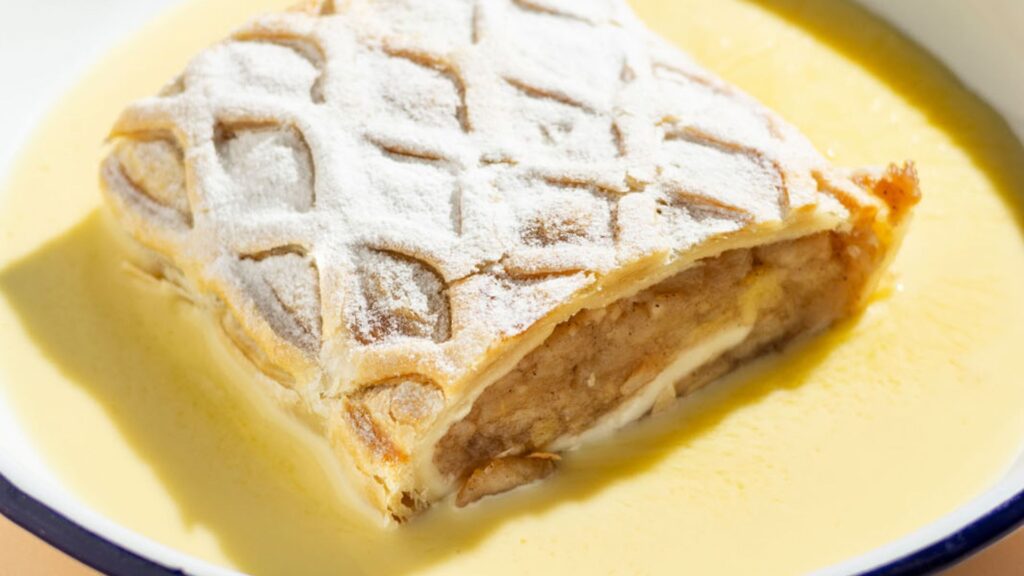
Bavarian desserts
Although Bavarian cuisine is better known for its savory dishes, there is no shortage of desserts either.
- Apfelstrudel – apple strudel
- Kaiserschmarrn – shredded pancake served with jam
- Dampfnudel – sweet steamed dumpling
These desserts pair well after hearty main courses.
What do people drink with Bavarian food?
The answer is almost obvious: beer. Bavaria is one of the world’s best-known beer-producing regions. The famous Reinheitsgebot (beer purity law) guarantees quality.
Classic beer styles
- Helles – light and easy to drink
- Weissbier – wheat beer, fresh and fruity
- Dunkel – darker, with a malty flavor profile
- Bock – stronger and fuller-bodied beer
Beer is not just a drink, but an integral part of the dining experience..
Where can you try Bavarian food in Budapest?
You don’t necessarily have to travel to Munich to experience Bavarian cuisine. Budapest’s gastronomic scene also offers places where you can try these dishes in an authentic atmosphere. In a well-chosen restaurant in Budapest, not only the flavors but also the atmosphere play an important role.
Spíler Biergarten – Bavarian spirit in Buda
If you’re looking for a true Bavarian atmosphere, Spíler Biergarten is a perfect choice. This unique Buda restaurant brings the classic beer garden experience to Budapest with:
- Bavarian-inspired dishes
- a wide selection of draft beers
- a relaxed, communal atmosphere
Here, it’s not just about dining — it’s about the experience. A place where friendly conversations, shared toasts, and hearty dishes come together to create the atmosphere that truly defines Bavarian culture.
Why do we love Bavarian food so much?
Bavarian cuisine does not try to be more than it is. It is not delicate or overcomplicated — it simply works. The flavors are clean, the portions are generous, and the experience is communal.
In a world where overcomplication often dominates, Bavarian dishes remind us that the foundation of gastronomy lies in good ingredients, proper technique, and time spent together.
Bavarian cuisine is a perfect choice if you’re looking for hearty, flavor-rich, experience-driven dining. Whether it’s a friendly evening or a relaxed dinner, these dishes always feel like a reliable choice.
And although Bavaria may be far away, the experience is closer than you think — even in the heart of Budapest.