


Walking through Budapest’s old town feels like stepping into a living history book. Cobblestone streets, medieval walls, baroque facades, and panoramic viewpoints follow each other naturally, while the Danube quietly ties everything together. But the old town is not only about monuments and views. It is also about slowing down, sitting at a table, tasting something local, and letting the city reveal itself through its flavors.
Budapest is one of the few European capitals where history and gastronomy are closely connected. Here, discovering the old town also means discovering where and how locals eat — and that is exactly what makes the experience complete.
What is considered Budapest old town? A historical overview
When we talk about Budapest old town, we are mainly talking about Buda, not Pest. While Pest developed into a bustling commercial center in the 19th century, Buda is where the city’s roots truly lie. This side of the Danube was the royal seat of Hungary from the Middle Ages, protected by hills, walls, and fortifications.
The Castle Hill area (Várhegy) became the heart of political, military, and cultural life. Kings were crowned here, wars were fought here, and for centuries, this was the most important part of the city. That is why Buda is considered the historical core of Budapest.
Districts that form Budapest old town today
The main part of the old town is District I, also known as the Castle District or “Várnegyed”. This area includes Buda Castle, Matthias Church, Fisherman’s Bastion, and the narrow residential streets that still follow medieval layouts. Smaller historic parts of District V on the Pest side also belong to the old town story, but the atmosphere is unmistakably different: Buda is calmer, greener, and more intimate.
The old city walls: where history still hides
Budapest’s medieval city walls once surrounded the Castle Hill, and fragments of them can still be seen today if you know where to look. Some sections are visible near the Vienna Gate, others are hidden in courtyards or behind buildings. These silent stones are reminders that Budapest old town was once a fortified city — and walking here still feels like walking inside a living fortress.
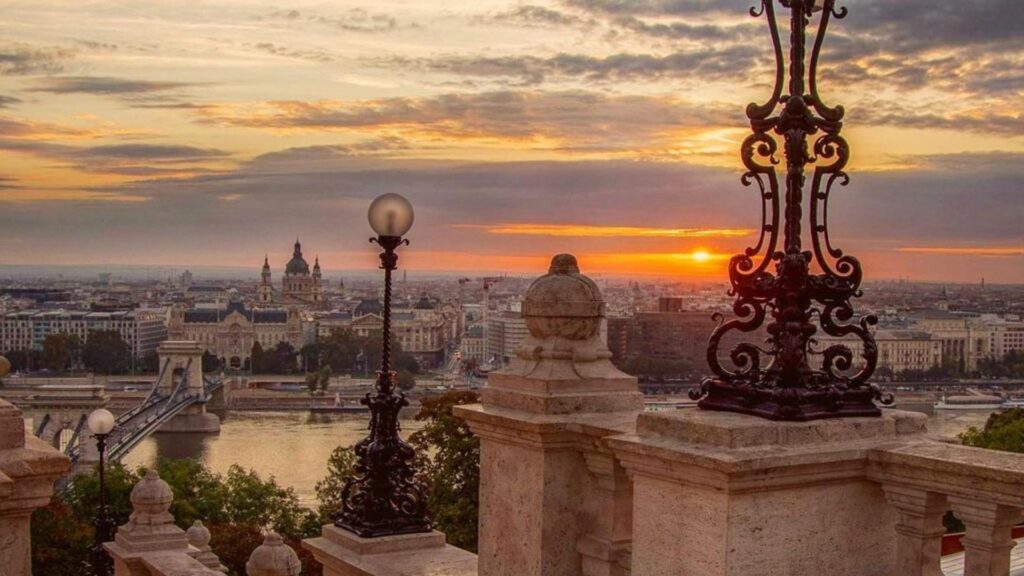
Layers of history: what makes Budapest old town unique in Europe
Few European cities show so many historical layers in such a compact area. In Budapest old town, you can see medieval houses, Ottoman bath remnants, baroque palaces, and Habsburg-era public buildings all within a short walk. This mix creates a unique atmosphere where no single period dominates — instead, they coexist naturally.
A UNESCO World Heritage Site
The Buda Castle District and the banks of the Danube are protected as a UNESCO World Heritage Site. This recognition is not only about architecture, but about the urban fabric itself: the way streets follow the terrain, how buildings open toward views, and how the city connects to the river. It is history you can feel, not just observe.
Top sights in Budapest old town you shouldn’t miss
Exploring the old town is best done on foot, and these are the landmarks that define the experience:
- Buda Castle (Royal Palace) – Once the residence of Hungarian kings, today it offers museums, courtyards, and one of the best views over the city.
- Fisherman’s Bastion – A fairytale-like terrace overlooking the Danube and Parliament, perfect for photos and quiet moments.
- Matthias Church – One of Budapest’s most iconic buildings, famous for its colorful roof and royal coronations.
- Castle Hill streets – Narrow lanes, hidden gardens, and calm residential corners that show everyday life in the old town.
- Royal Palace courtyards – Open spaces where history, art, and views meet.
- Vienna Gate Square – A peaceful square with local atmosphere and medieval character.
- Chain Bridge area – The symbolic connection between Buda and Pest, marking the start or end of any old town walk.
Where to eat near each landmark: rest, recharge, and taste Budapest
Sightseeing in the old town is a full sensory experience — and food should be part of it. Choosing the right place to sit down is just as important as choosing what to see.
Near Buda Castle, a good Buda Castle restaurant offers the perfect break between museums and viewpoints. The calm atmosphere, historic surroundings, and traditional flavors help you recharge without rushing.
In the Castle District streets, a cozy Buda restaurant fits naturally into the slow rhythm of the neighborhood. This is where you sit longer, talk more, and let the city settle around you.
If you cross to the Pest side or continue exploring the city center, a reliable restaurant Budapest visitors return to again and again provides comfort after a long walk. Quality, consistency, and atmosphere matter here more than trends.
For those looking to taste local heritage, a classic Hungarian restaurant Budapest experience is essential. Dishes rooted in tradition, prepared with care and modern precision, tell more about the country than any guidebook.
And after a full day of history, an Italian restaurant Budapest can be the perfect choice for a relaxed dinner: simple flavors, good wine, and a familiar comfort that fits beautifully into the rhythm of the evening.
Among the most beloved old town restaurants, several Zsidai Group venues stand out for their location, atmosphere, and authenticity.
- Pierrot sits just steps away from the Castle District sights and is ideal for a calm lunch or early dinner.
- Pest-Buda Bistro, one of the oldest inns in the area, brings Hungarian comfort food to life in a historic setting.
- 21 hungarian kitchen offers a contemporary interpretation of classic flavors,
- while Spíler Buda provides a more relaxed, lively break with a local twist.
These are places where sightseeing naturally flows into dining — no detour needed.
Why Budapest old town is best explored slowly
The beauty of the old town is in the details: the worn stones, the quiet courtyards, the way light changes on the walls. These things only reveal themselves if you give them time.
The sound of footsteps on cobblestone, the smell of food drifting from kitchens, the taste of local dishes, the view over the Danube — Budapest old town is experienced with all senses. Eating well is not optional here; it is essential.
Discover Budapest old town through taste
Exploring Budapest’s old town is more than sightseeing. It is a journey through centuries of history, shaped by empires, culture, and everyday life. And the best way to understand it is to sit down and eat where history happened. Whether you choose a traditional Hungarian table, a relaxed Italian dinner, or a historic bistro in the Castle District, one thing is certain: in Budapest, the best memories are made between landmarks and plates — one authentic meal at a time.