


Italy’s culinary heritage is one of the richest and most beloved in the world. Known for its bold simplicity, regional diversity, and high-quality ingredients, Italian cuisine is more than just a collection of recipes—it’s a cultural identity, a way of life. From fresh handmade pasta and slow-simmered sauces to sweet classics like tiramisu, Italian food has found its place on every continent. But where does its magic truly come from? And where can you experience it in Budapest, miles away from Rome or Naples?
Whether you’re a seasoned foodie or a traveler hungry for authenticity, this article will guide you through the essentials of Italian cooking and show you where to enjoy it—especially if you’re looking for a memorable experience in a top-tier Italian restaurant Budapest has to offer, like Jamie’s Italian by the Zsidai Group.
A Brief History of Italian Cuisine
Italian cuisine has roots reaching back over 2,000 years. Ancient Romans celebrated with grand feasts of cured meats, fresh bread, cheeses, and wine—many of which still form the backbone of modern Italian food. Over time, the Renaissance introduced more refinement to cooking techniques, emphasizing balance and presentation.
Regional Diversity: North vs South
Italy’s geography plays a huge role in its food. In the North, butter, rice, and creamy sauces dominate (think risotto from Milan), while the South leans into olive oil, tomatoes, and spicy flavors. Dishes like lasagna from Emilia-Romagna or spaghetti alla puttanesca from Naples reflect this beautiful contrast.
Italian immigrants brought their cuisine across the globe, adapting it to new ingredients and tastes. While international Italian cuisine has evolved into its own category, the heart of the food—freshness, seasonality, family—remains universal.
What Defines Italian Cuisine?
Italian cuisine is built on a philosophy of less is more. The focus is not on complexity, but on the quality and freshness of the ingredients, combined with traditional methods passed down through generations. Here’s what truly defines it:
1. Essential Ingredients
- Olive oil: The cornerstone of Italian cooking—used for cooking, dressing, and even dipping.
- Fresh herbs: Basil, oregano, rosemary, and thyme are key to delivering depth of flavor.
- Tomatoes: Especially San Marzano—used in sauces, salads, and soups.
- Parmesan (Parmigiano Reggiano): Aged hard cheese that adds umami richness.
- Pasta flours (semolina/durum wheat) and fresh eggs for pasta dough.
- Seafood, cured meats, and seasonal vegetables depending on the region.
2. Signature Cooking Techniques
- Al dente pasta: Cooked to a firm texture to preserve taste and bite.
- Slow cooking: For ragù, osso buco, and stews—flavors build over time.
- Simplicity: Most classic recipes use only 3–5 ingredients.
3. Iconic Italian Dishes
- Pasta Carbonara (no cream, just eggs, Pecorino, guanciale, and pepper)
- Pizza Margherita (Naples-born, wood-fired with buffalo mozzarella)
- Risotto alla Milanese, Eggplant Parmigiana, Ossobuco, and more.
- Italian desserts: Tiramisu, cannoli, panna cotta, and gelato offer a perfect sweet finish.
4. Italian Food Is About Togetherness
Mealtime in Italy is often a celebration, lunches and dinners are social events, where sharing dishes, drinking wine, and enjoying multiple courses is the norm. This spirit of community is reflected in Italian restaurants in Budapest, where the vibe is just as important as the food.
Why Do People Around the World Love Italian Food?
Italian cuisine has earned global admiration not just for its flavor, but for the emotional connection it creates. Here’s why it resonates worldwide:
1. Universally Loved Flavors
The balance of acidity (tomato), creaminess (cheese), and umami (cured meats) makes Italian food naturally appealing. Dishes like pizza, lasagna, and spaghetti have become staples across continents.
2. Comforting and Familiar
Italian food evokes warmth and comfort—often associated with family dinners and heartfelt gatherings. Even upscale versions of Italian dishes retain a homemade feel.
3. Regional Variety and Richness
From Venetian seafood dishes to Tuscan meat specialties, there’s something for every palate. This makes Italian food adaptable to local ingredients while staying authentic.
4. Focus on Freshness
The emphasis on seasonal produce, herbs, and high-quality oils makes Italian cuisine feel light and healthy—even when indulgent.
5. Culinary Heritage and Simplicity
With recipes often dating back centuries, Italian cuisine carries the weight of tradition—but its minimalist approach ensures it’s not intimidating.
Whether you’re dining in a cozy Italian restaurant Budapest offers, or enjoying a refined plate of pasta at Jamie’s Italian, you’re partaking in a culinary legacy rooted in love, simplicity, and flavor.
Where to Taste Authentic Italian Dishes in Budapest?
Jamie’s Italian
If you’re seeking authentic Italian cuisine in the heart of Hungary, Budapest offers a growing number of exceptional spots — but few compare to Jamie Oliver’s Italian. Nestled in the historic Buda Castle, this Italian restaurant Budapest visitors rave about brings traditional recipes to life with a modern twist.
Here’s why it stands out:
- Location: Situated in one of the city’s most iconic areas, Jamie’s Italian combines medieval charm with modern comfort. Ideal for both locals and tourists exploring the Buda Castle restaurant scene.
- Authentic Ingredients: From San Marzano tomatoes to Parmigiano-Reggiano, the kitchen works with high-quality ingredients sourced directly from Italy.
- Menu Highlights:
- Tagliatelle Bolognese — slow-cooked ragù with fresh egg pasta.
- Truffle Risotto — creamy Arborio rice with black truffle shavings.
- Classic Tiramisu — rich mascarpone layered with espresso-soaked savoiardi.
- Atmosphere: Casual yet elegant; a perfect match for both family brunches and romantic dinners.
If you’re searching for an Italian restaurant Budapest food lovers recommend for both flavor and setting, Jamie Oliver’s Italian is a top choice. It’s where heritage, comfort, and innovation meet — on every plate.
Pierrot
While Pierrot is known for its modern European and Hungarian fine dining, the menu also features select Italian dishes that showcase the kitchen’s attention to authenticity and balance. Think of delicate handmade pasta, and slow-cooked sauces that pay homage to Italy’s northern regions — all served in an intimate setting with white linen and candlelight.
Here’s why it stands out:
- Location: For those who appreciate a more refined atmosphere paired with Italian-inspired flavors, Pierrot in the Buda Castle District is an unmissable destination.
- Menu Highlights include:
- Delicious seafood variants
- House-made pastas with Grana Padano – simple, elegant, and perfectly al dente
- Seasonal Burrata with Cherry Tomatoes & Basil Oil – a light, refreshing starter
- Tiramisu – premium taste, premium ingredients
Pierrot offers a more upscale alternative to casual trattorias, ideal for special occasions, romantic dinners, or slow Sunday lunches. If you’re seeking a restaurant travelers return to for atmosphere, quality, and quiet sophistication, Pierrot invites you to enjoy Italian finesse with a Central European soul.
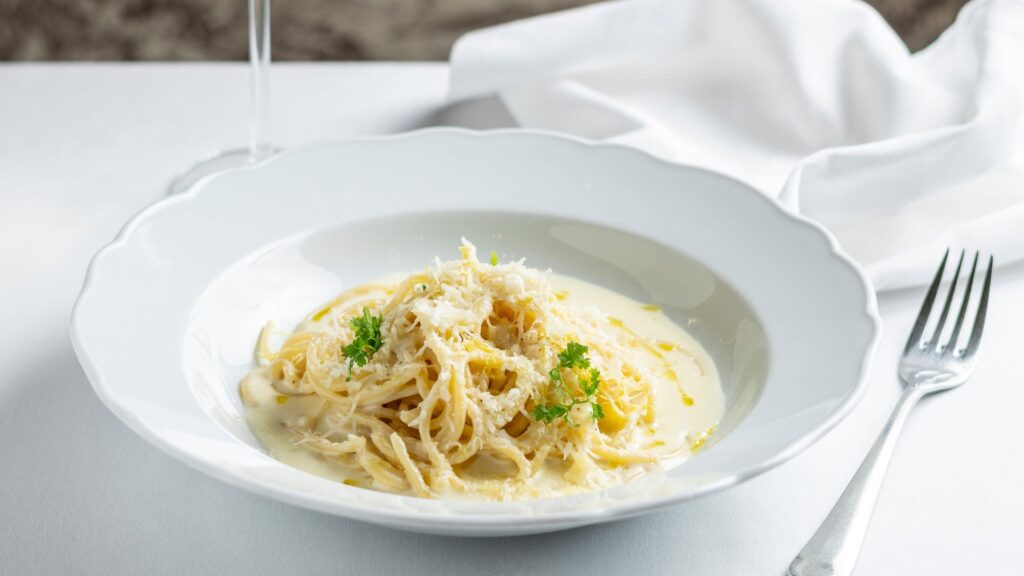
Discover the Soul of Italy in Budapest
Italian cuisine isn’t just food; it’s culture, comfort, and passion on a plate. From handmade pastas to regional desserts, every dish tells a story of tradition and simplicity. And while Italy may be the birthplace of this beloved culinary art, you don’t need to cross borders to enjoy it.
Thanks to high-quality restaurants Budapest has to offer — like Jamie Oliver’s Italian and Pierrot — you can enjoy truly authentic Italian dishes in the heart of Hungary. Whether you’re visiting for the views or staying for the flavors, there’s no better way to experience la dolce vita than sharing a beautifully prepared Italian meal. Buon appetito — right here in Budapest.